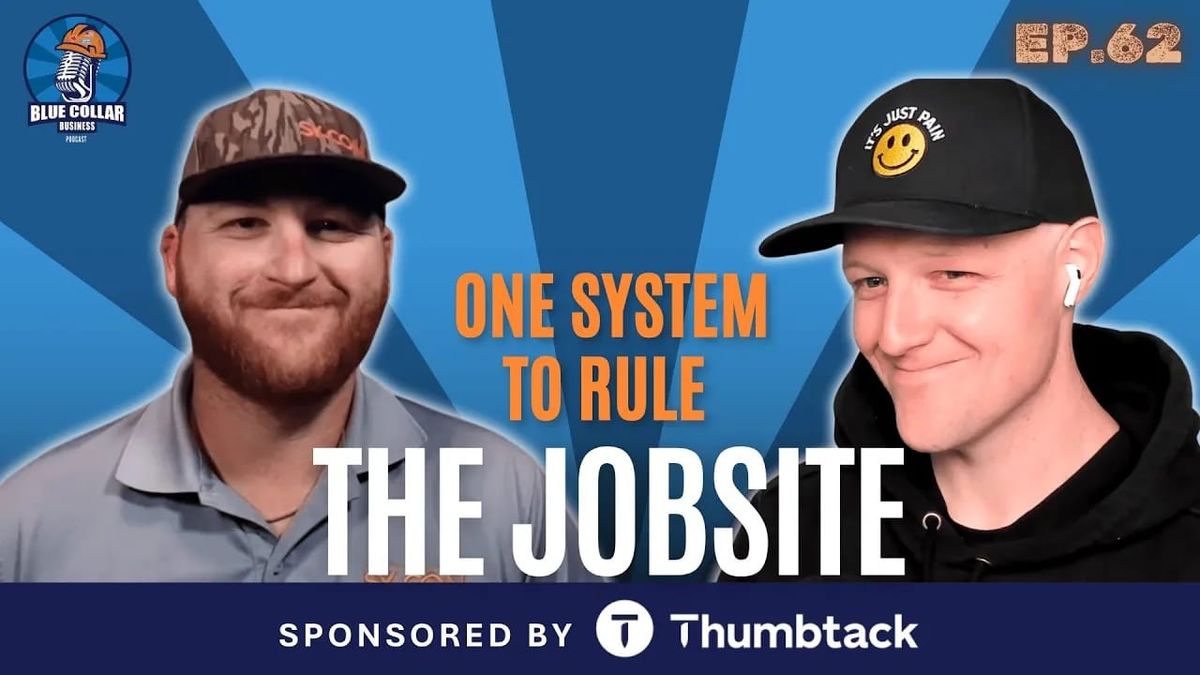
Hard work shouldn’t feel like guesswork. Sy sits down with Zach Estes, founder of Lean Dirt, to unpack a simple, battle-tested way to run civil construction with less chaos and more clarity. We get straight into the 2-3-4 framework, two systems, three actions, four routines, that turns hidden information into visible standards and transforms accountability from a speech into a system.
We start by reframing value vs waste and why civil construction is real value creation, then zoom into the tools that make teams faster: a single home for project information, a clean action system that leaders actually use, and “success statements” that define outcomes for every role. Zach shows how to rate performance green, yellow, or red without micromanaging, how to write standards people can follow, and how daily logs close the loop with estimating so bids reflect real production, not wishful numbers. Sy shares field-tested wins and misses, from switching software to the cost of a gas line strike, and how transparency with crews creates buy-in when margins are thin.
We also explore practical tech that pays off immediately. A basic to‑do app beats a notebook for capture, organization, and review. AI becomes a pocket coach for routes, checklists, calculations, and training scripts. And “mise en place” applies to project data as much as tools: everything in its place, accessible in one spot. The thread running through it all is purpose: clarify why you wake up, put it where you’ll see it, and then make the plan, the numbers, and the tasks just as visible. That’s how you move from firefighting to forward motion.
If this resonated, follow the show, share it with a teammate, and leave a quick review so more builders find it. Got a question or a guest you want on the mic? Drop us a note at bluecollarbusinesspodcast.com and let’s tackle it together.
Thumbtack
Stop spending all your time searching for weak leads. Book your personalized strategy session today!
Blue Collar Performance Marketing
Click the link above for a free marketing audit with insights to boost your blue collar business!
Disclaimer: This post contains affiliate links. If you make a purchase, I may receive a commission at no extra cost to you.
More About this Episode
Building a Lean Civil Construction Business: Systems, Simplicity, and Sustainable Growth
What is business, really?
That question has been eating at me for the past year. After nearly a decade in the dirt game, I’ve been in deep transformation mode, re-evaluating everything from how we win work to how we run it. Somewhere along the way, I realized I was chasing more work, more revenue, more people, and more problems, and somehow moving further away from the thing that really matters: building a healthy, sustainable business that works without eating me alive.
Recently, I sat down with Zach Estes, founder of Lean Dirt, a civil construction performance coach who's spent the last decade applying lean principles across industries, from manufacturing to hospitals and now to the very trenches we work in daily. What followed was one of the most valuable conversations I’ve ever had on this podcast, not just for me, but for anyone trying to figure out how to actually run a construction company instead of letting it run you.
So this article is not a recap. It’s a detailed breakdown of the systems, principles, and mindset shifts we all need to embrace if we want to grow businesses that last. It’s lean, in every sense of the word.
The Lean Philosophy: From Toyota to the Trenches
Let’s start with a little background, because understanding where lean comes from helps clarify why it matters.
The concept of lean originates in manufacturing, specifically from Toyota’s legendary production system. The core idea is simple: eliminate waste and increase value. You either do things that the customer is willing to pay for (value) or you’re doing things that cost you time, money, or energy without delivering value (waste). There is no in-between.
But here's where it gets wild: the system that has revolutionized how cars are built also applies to dirt, pipe, concrete, and everything in between.
Zach explained it like this: "Lean isn’t just a system, it’s a way of thinking, a way of behaving. It’s not about tools and templates. It’s about how we think about work, how we structure communication, and how we hold ourselves and others accountable."
Why Lean Matters in Civil Construction
Lean has exploded in the tech and manufacturing worlds, but civil construction? We’re just scratching the surface. And we need it more than anyone.
Civil construction is high-risk, high-overhead, and often low-margin. We don’t get the luxury of sitting behind a desk with unlimited revisions. A blown pipe install or a misread set of plans means real dollars lost. There’s no room for bloated systems, unclear roles, or inefficiencies hiding in plain sight.
Zach puts it bluntly: “Civil construction adds real value to the economy. We put things in the ground that didn’t exist yesterday. But most of the time, the way we manage the work, that’s all waste.”
Two Systems, Three Actions, Four Routines: The Lean 2-3-4 Framework
Zach dropped what he calls the “playbook” for building a lean construction business. No fluff. No software subscriptions. Just a framework every blue-collar business owner can start using today.
Two Systems:
- Information System – Where does project information live? Is it scattered across whiteboards, text messages, and field notebooks? Or is there one source of truth? Your information system should be organized, accessible, and complete, so that everything you need to run a job is in one place. Think: contracts, production data, schedules, contacts, photos, etc.
- Action System – How do you keep track of tasks? Is it sticky notes and a mental to-do list? Or is there a clear, reliable process for capturing, organizing, and reviewing what needs to get done? This is where Microsoft To-Do or Todoist comes in. A simple, structured checklist system that helps you move from chaos to clarity.
Three Actions Every Leader Should Master Daily:
- Clarify – Make things visible. That’s the first and most important leadership skill. If it's not written down, it doesn’t exist. Roles, responsibilities, schedules, and expectations need to be visible, not stuck in your head.
- Improve – Constantly refine your systems. Is this process easier today than it was last month? If not, you’re not improving. Look for small ways to eliminate waste, reduce friction, and empower your team.
- Coach – Your job is to develop people. If your foreman is guessing at production targets or unsure of what success looks like, that’s on you. Give them feedback, tools, and clarity so they can lead without you micromanaging.
Four Routines You Need in Your Business:
- Plan – Start the day with a clear plan for who’s doing what, by when. Whether that’s a team huddle, a whiteboard, or a shared doc, don’t let the day run you.
- Improve – Take time each day to identify and fix one inefficiency. It could be a new checklist, a better layout for your laydown yard, or one less bottleneck in the office.
- Reflect – Ask: What went well? What didn’t? What can we do better tomorrow? Build a culture that learns from its mistakes, not one that hides them.
- Prepare – Don’t let your team show up to job sites unprepared. Get material orders placed, equipment scheduled, and subs aligned the day before. No more winging it.
Success Statements: A Practical Tool for Accountability
One of the best things Zach shared, and something I’m implementing immediately, is a concept called success statements.
Instead of vague job descriptions, every role in your company should have 3 to 5 clear, measurable statements that define success. For example, a project manager might have:
- “Projects are completed within 5% of the estimated budget.”
- “Daily logs are submitted by 7 PM with accurate production data and site photos.”
- “Schedule is maintained within one working day of variance.”
Then, you rate each statement weekly as green (consistently true), yellow (inconsistently true), or red (not true). That’s it. Simple, visible accountability.
It’s not about policing people, it’s about empowering them. When your team knows the standard, they can self-correct without you hovering.
Visibility and Transparency: The Heart of Leadership
Everything we’ve talked about, from lean systems to success statements, comes back to one principle: make it visible.
For years, I tried to keep the books closed, the schedules private, the margins hidden. I thought I was protecting the business. Turns out, I was just keeping everyone in the dark. And when people don’t have information, they can’t take ownership.
When we started showing crews what we bid, what it costs to run the job, and how much profit we stand to make (or lose), everything changed. They stopped seeing the boss as the enemy and started seeing themselves as part of a winning team.
Transparency builds buy-in. Visibility drives accountability.
Don’t Throw Your Wallet at the Problem, Use Your Wits
One of the hardest lessons I’ve had to learn is that hiring another person, buying another software, or throwing more money at a problem is rarely the solution. It’s easy to spend. It’s harder to think.
As Zach says, “Use your wits, not your wallet. And if you have to use your wallet, do it because your wits told you it was the best option.”
Often, what you really need is better systems, not more people. Tighter processes, not fancier software. Clear expectations, not another meeting.
Final Thoughts: When You’re Stuck in the Mud
If you're feeling stuck right now, mentally, emotionally, or physically, you're not alone. Most of us didn’t start businesses because we wanted to lead people or manage systems. We just wanted to do good work and get paid.
But eventually, the business becomes the bottleneck. And that’s when the real work begins.
Here’s where to start:
- Clarify your purpose – Why do you wake up every day? Who are you doing this for? Write it down. Put it on your phone. Make it visible.
- Simplify your systems – Don’t overthink it. Get your info and your actions in one place. Build discipline before you build tech.
- Involve your people – Share the goals. Show them the numbers. Let them help solve the problems. Build a culture of ownership.
Because here’s the truth: There’s no badge of honor for burnout. No prize for doing it all alone. And no point in building a business if it breaks the person behind it.
It’s time to lead better. Time to think lean. And time to build something that works, not just for your bank account, but for your life.
Member discussion: