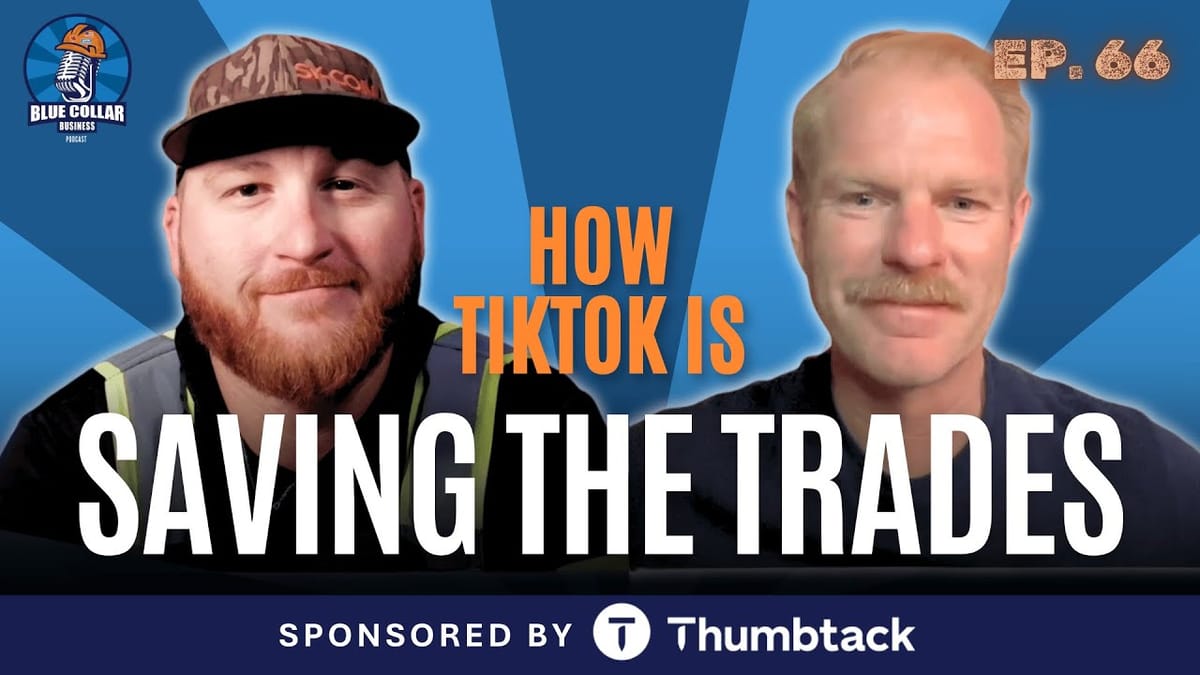
The labor gap isn’t just a numbers story; it’s a connection and knowledge story. We bring on JJ Owen, executive director of the Skilled Careers Coalition and Skills Jam, to map a practical playbook for reaching Gen Z, transferring craft wisdom, and rebuilding the trades pipeline with real stories, real training, and real community.
We start by unpacking why five pros exit for every one who enters—and how that compounds into lost know-how on jobsites. JJ shows how to meet young people where they are: TikTok, YouTube, classrooms, and jobsite tours. We talk about peer-to-peer storytelling, mentorship that actually transfers skills, and why polished content loses to authentic day-in-the-life clips that answer two core questions: Will I belong here? Can I grow here?
From SkillsUSA’s Teamworks competition to paid high school apprenticeships, we spotlight models that work and the tools that accelerate learning. Simulators, AR, and VR aren’t toys; they’re bridges to confidence and safer first reps, whether you’re welding or running an excavator. On the retention side, we break down building an internal micro-training library so rookies show up prepared and foremen feel respected, not drained. That small shift creates buy-in on both sides and keeps culture strong.
Along the way, we dig into “fans first” thinking for trades recruiting, partnerships with media and industry, and a mindset reset for leaders who are ready to adapt instead of complain. If you’re serious about hiring, training, and keeping great people, this conversation gives you a blueprint you can start using this week.
Enjoyed the conversation? Follow Skills Jam on TikTok and YouTube, visit skilledcareers.org to connect, and subscribe to the show. Share this episode with a fellow builder and drop a review to help more blue-collar pros find us.
Thumbtack
Stop spending all your time searching for weak leads. Book your personalized strategy session today!
Blue Collar Performance Marketing
Click the link above for a free marketing audit with insights to boost your blue collar business!
Disclaimer: This post contains affiliate links. If you make a purchase, I may receive a commission at no extra cost to you.
Follow and stay connected:
Never miss an update—follow, subscribe, and join the conversation!
More About this Episode
Bridging the Skilled Trades Gap: Why Connection, Storytelling, and Social Media Are the Keys to Workforce Growth
The skilled labor shortage is no longer a looming issue. It is here and growing. From plumbing and construction to manufacturing and electrical work, every blue collar industry is feeling the pressure. Businesses are struggling to find qualified workers, and many are unsure how to attract the next generation of talent.
The problem is not only about hiring. It is about creating sustainable workforce pipelines that will carry industries into the future. What most companies are missing is not just workers. They are missing a strategy for connection.
The solution goes beyond offering higher wages or more incentives. It involves building trust, improving communication, and telling a better story about what life in the trades looks like. In 2025, trades professionals and employers must learn how to connect, not just recruit.
I recently sat down with JJ Owen, Executive Director of the Skilled Careers Coalition and the creator of Skills Jam. JJ has a unique perspective on workforce development. He is not just promoting the idea of trades over college. He is actively working to reshape how young people view skilled careers and how businesses communicate their value.
A Nontraditional Path to Trades Advocacy
JJ’s background is not what you might expect. He began as a baseball player. After college and a stint in professional ball, he shifted into the nonprofit world. His work with the Movember Foundation helped raise over 130 million dollars for men’s health causes and activated more than a million participants globally.
What he learned from that experience is now being applied to the skilled trades. Community building, storytelling, and grassroots involvement are the foundations of the Skilled Careers Coalition. They are not just running campaigns. They are building a movement.
What the Skilled Careers Coalition Does
The Skilled Careers Coalition focuses on two major goals.
First, they serve as a connector.
Across the country, there are incredible efforts underway to train and support young workers. However, most of these efforts happen in isolation. Schools, nonprofits, trade organizations, and local governments are doing good work, but they are not aligned. The coalition helps bring these groups together. They encourage shared knowledge and coordination between sectors like construction, manufacturing, post-secondary education, and even the media industry.
Second, they are changing how the next generation views the trades.
Skills Jam is the coalition’s media arm. It is built around real stories from real workers. These stories are shared through platforms like TikTok, YouTube, and Instagram. This is where Gen Z spends its time. Instead of polished commercials or boring brochures, Skills Jam highlights actual career paths, earnings potential, daily routines, and personal growth opportunities in the trades.
Young people are responding. Skills Jam recently surpassed 50,000 followers on TikTok, proving that when you speak their language, they listen.
The Labor Shortage Is a Connection Problem
Many business owners talk about a labor shortage. JJ argues that it is really a connection problem. Companies are not reaching the young people who are looking for meaningful work. They are not showing up in schools. They are not telling their stories. They are not visible where Gen Z is spending time.
If you want to hire and retain the next generation, you must meet them where they are. That means visiting classrooms. It means sponsoring local programs. It means sharing your work and culture online. Connection builds trust, and trust drives commitment.
Too many employers are relying on outdated recruitment platforms. Job boards and LinkedIn posts are not attracting young tradespeople. Instead, video content, site tours, and hands-on demos are the strategies that work.
Video Content Is the New Resume
Video is no longer optional. It is the language Gen Z speaks. Over 80 percent of global internet consumption is video-based. If your company is not sharing video content, you are invisible to the upcoming workforce.
The good news is that it does not need to be complicated. Use your phone to film day-in-the-life clips, team introductions, or behind-the-scenes looks at projects. Show your team in action. Let people see the equipment, the process, and the pride that goes into every job.
In my own company, we realized that our marketing videos could also be used for training. We created a 15-part onboarding series that covers safety, tools, expectations, and team culture. Now, every new hire watches those before stepping on a job site. It has improved both retention and productivity.
Building Trust Between Generations
There is a growing divide between veteran workers and younger employees. Many experienced tradespeople feel that new hires are not prepared. At the same time, young people often feel intimidated or unwelcome.
JJ calls this the trust gap, and it can only be closed through consistent connection.
For example, if a foreman has already spent time volunteering at a local school or mentoring an intern, they are more likely to invest in a new hire. Likewise, when a young worker sees that a company has made an effort to explain expectations and provide training, they feel more confident and committed.
Trust does not happen by accident. It happens when companies are intentional about outreach, communication, and mentorship.
Awareness Is a Strategy
In many blue collar circles, words like “branding” and “awareness” are viewed as fluff, but awareness is the foundation of recruitment. In traditional marketing, a customer needs multiple points of exposure before making a decision. The same applies to workforce development.
If a young person has only heard that trade careers are dirty or low-paying, they are unlikely to consider them, but if they have seen several videos, attended a site tour, and heard from someone close to their age who enjoys the work, their perspective changes.
Awareness is not about ego. It is about visibility. It is about making sure young people know the opportunities exist.
How to Take Action Right Now
If you are serious about solving your workforce problem, here are five actions you can take today:
- Create short video content using your phone. Focus on authenticity, not polish.
- Visit local schools and talk to students about what your company does.
- Offer job site tours and hands-on experiences for youth.
- Support apprenticeship programs through sponsorship or equipment donations.
- Follow and share content from Skills Jam to amplify the message.
These actions may not provide immediate returns, but they build long-term value. They create a pipeline of interested, informed, and motivated workers.
JJ said something during our conversation that stuck with me. Between dreams and despair, we are protected by faith. Whether that is faith in a higher purpose or just faith in the process, it matters.
If you believe in your industry, your team, and the value of honest work, then it is time to tell that story. The world depends on tradespeople. And the trades depend on us showing up, speaking up, and leading the way forward.
Member discussion: