
AI Takes the Wheel: How Autonomous Equipment Boosts Blue-Collar Business Efficiency
Modern construction sites are rapidly evolving, with new technologies promising significant shifts in how work gets done.
Understanding these innovations is crucial for blue-collar businesses aiming to stay competitive and improve their bottom line. This article explores the rise of autonomous heavy equipment and its potential to enhance safety, productivity, and profitability for contractors.
Revolutionizing the Jobsite with Autonomous Tech
A significant $200 million investment by SoftBank into Gravis Robotics highlights a growing trend: the integration of artificial intelligence into heavy machinery. This substantial funding round underscores investor confidence in physical AI's capacity to transform construction operations and fleet management.
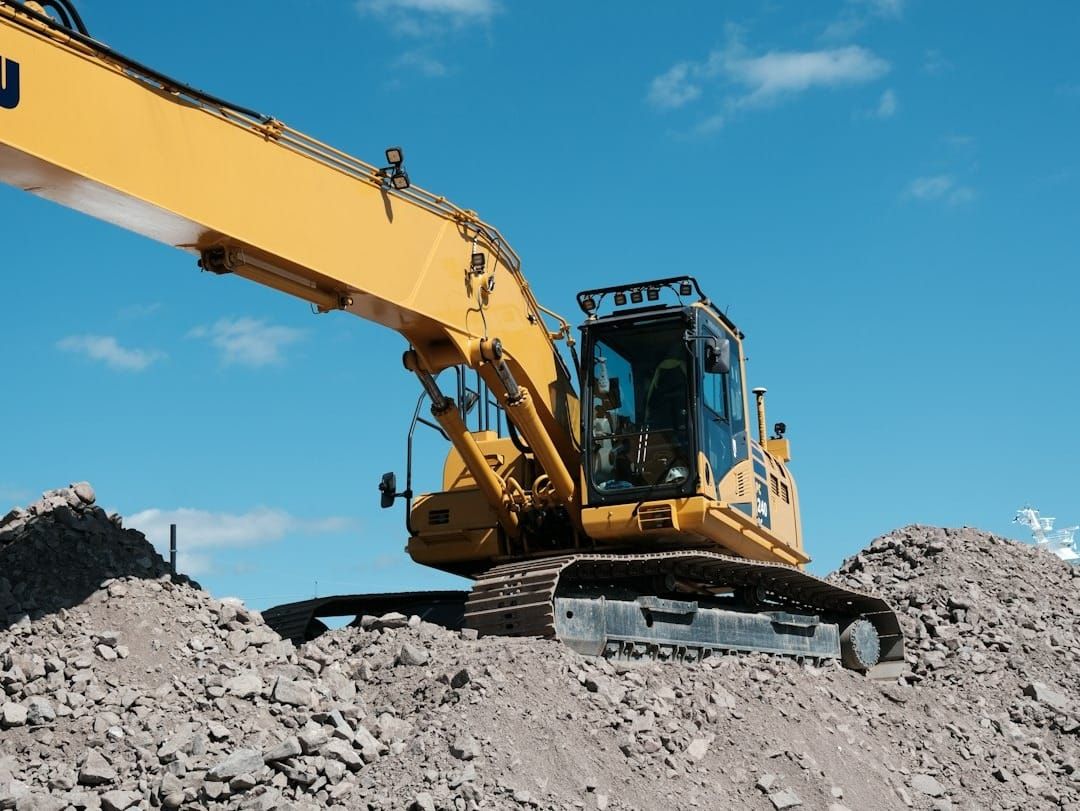
Gravis Robotics, a Swiss startup, specializes in proprietary retrofit technology that converts existing heavy equipment into autonomous robots. Their innovation introduces an AI-trained operating system designed for entire fleets, complemented by the "Gravis Rack," a physical bolt-on device that controls the machinery.
Enhanced Safety and Productivity on Dynamic Sites
Beyond full autonomy, Gravis offers "Gravis Copilot," providing AI-augmented manual control to operators. This feature delivers real-time 3D guidance and hazard detection, allowing operators to remain in the cab while benefiting from AI insights, significantly boosting jobsite efficiency.
For fully autonomous tasks, operators can monitor entire fleets from a safe, remote location, reducing on-site personnel exposure to hazardous conditions and improving safety compliance. The technology is specifically built to handle the complex, unstructured environments typical of construction jobsites, addressing a common hurdle for construction tech and operational workflows.
Practical Benefits for Small-to-Midsized Contractors
Gravis Robotics explicitly targets small and mid-sized contractors with its offerings, making advanced technology accessible to a wider segment of the industry. The firm states its costs are competitive with premium machine control systems, yet it provides additional features that enhance both productivity and safety.
Implementing such systems helps blue-collar businesses run more profitable companies and lead better crews. By automating repetitive or high-risk tasks, contractors can free up skilled labor for more complex work, addressing labor shortages and improving overall project margins. This modern management tool supports long-term equity building through optimized operations and reduced operational risks.
The Future of Fleet Management and Business Scaling
The ability to transform conventional machinery into autonomous units provides fleet managers with unprecedented flexibility. Instead of entirely replacing existing assets, contractors can upgrade their current equipment, extending its lifespan and maximizing return on investment.
As construction continues to evolve, embracing physical AI and robotics will be key for scaling operations and maintaining a competitive edge. These tools not only streamline workflows, save time, and improve project margins but also position businesses for future growth in an increasingly tech-driven landscape.
For both solopreneurs and multi-crew companies, understanding and potentially integrating such innovations is a strategic imperative for financial health.
Member discussion: